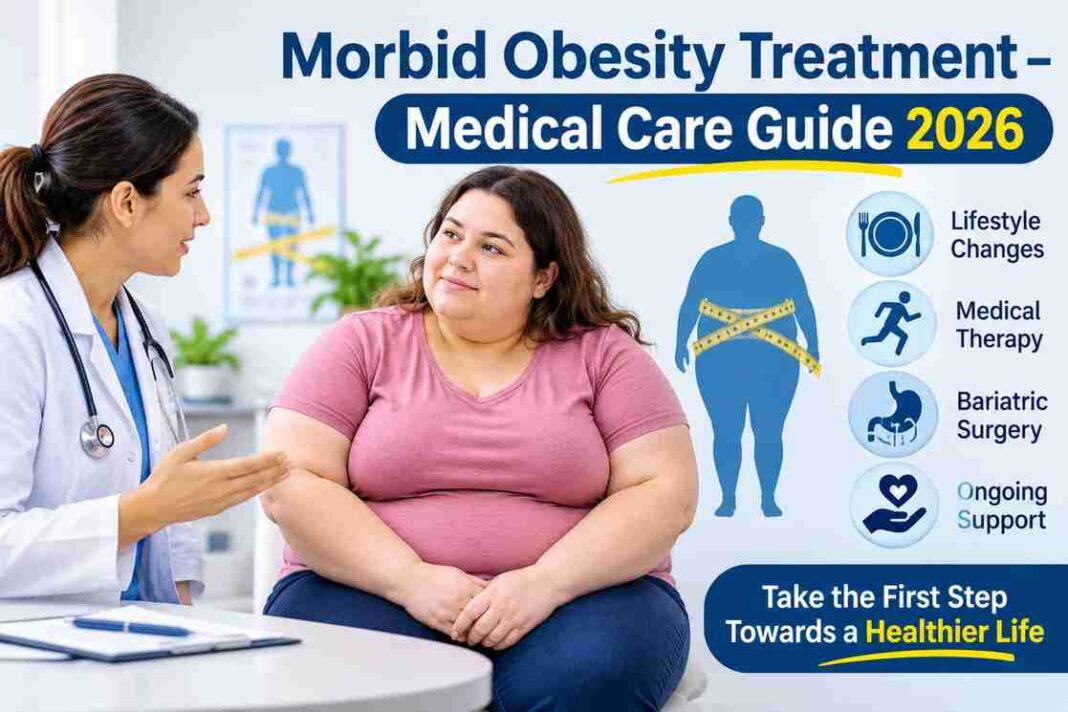
Morbid obesity—defined as a body mass index (BMI) ≥ 40 kg/m² or ≥ 35 kg/m² with at least one obesity‑related comorbidity—poses a growing public‑health challenge. The stakes are high: cardiovascular disease, type 2 diabetes, osteoarthritis, and sleep apnea are all amplified by excess weight. Fortunately, a spectrum of medical interventions exists, ranging from non‑invasive lifestyle coaching to advanced bariatric surgery. This guide distills the most effective, evidence‑based strategies and helps you decide which path may be right for you.
Understanding the Spectrum of Morbid Obesity
- Class III obesity (BMI ≥ 40 kg/m²) – Often the threshold for surgical eligibility.
- Class II obesity (BMI 35–39.9 kg/m²) – Surgery is considered when comorbidities are present.
- Lifestyle‑first approach – Diet, exercise, and behavioral therapy remain foundational for all patients.
Lifestyle Foundations: Diet, Exercise, and Behavior
.1 Nutrition: Low‑Calorie, High‑Quality Diets
- Caloric deficit: 500–1,500 kcal/day is typical for sustained loss.
- Macronutrient balance: 30 % protein, 30 % healthy fats, 40 % complex carbs.
- Meal timing: Smaller, frequent meals reduce hunger spikes.
.2 Physical Activity: From Walking to Structured Programs
- Start low‑impact: Walking, stationary cycling, or swimming.
- Progressive overload: Gradually increase duration and intensity.
- Strength training: 2–3 sessions/week to preserve lean mass.
.3 Behavioral Modification: The Keystone Habit
- Self‑monitoring: Food diaries and wearable trackers.
- Goal setting: SMART (Specific, Measurable, Achievable, Relevant, Time‑bound).
- Support networks: Family, friends, or structured weight‑loss groups.
Pharmacologic Options for Weight Loss
| Medication | Mechanism | Typical BMI Threshold | Key Benefits | Common Side Effects |
|---|---|---|---|---|
| Orlistat | Inhibits intestinal lipase | ≥ 30 kg/m² | 5–10 % excess weight loss | GI upset, steatorrhea |
| Liraglutide (Saxenda) | GLP‑1 receptor agonist | ≥ 30 kg/m² | Appetite suppression, improved glycemic control | Nausea, constipation |
| Phentermine/Topiramate (Qsymia) | Appetite suppressant + anticonvulsant | ≥ 30 kg/m² | 10–15 % excess weight loss | Dry mouth, paresthesia |
| Naltrexone/Bupropion (Contrave) | Opioid antagonist + antidepressant | ≥ 30 kg/m² | Appetite reduction, mood support | Headache, nausea |
| Semaglutide (Wegovy) | GLP‑1 analog | ≥ 30 kg/m² | 15–20 % excess weight loss | GI symptoms, injection site pain |
Note: Medication should be prescribed by a qualified clinician and combined with lifestyle changes for optimal results.
Endoscopic and Minimally Invasive Procedures
- Allurion Intragastric Balloon – Temporary gastric volume reduction; 6‑month treatment.
- Endoscopic Sleeve Gastroplasty – Endoscopic suturing to reduce stomach size; outpatient procedure.
These options bridge the gap between lifestyle therapy and surgery, offering moderate weight loss with lower risk profiles.
Bariatric Surgery: The Gold Standard for Morbid Obesity
.1 Common Surgical Techniques
| Procedure | Mechanism | Typical Weight Loss | Recovery Time |
|---|---|---|---|
| Sleeve Gastrectomy | Gastric volume reduction | 60–70 % excess weight loss | 2–4 weeks |
| Roux‑en‑Y Gastric Bypass | Restriction + malabsorption | 70–80 % excess weight loss | 4–6 weeks |
| Duodenal Switch | Restriction + malabsorption | 80–90 % excess weight loss | 6–8 weeks |
.2 Candidate Selection
- BMI ≥ 40 kg/m² or BMI ≥ 35 kg/m² with comorbidities.
- Psychological assessment to ensure readiness for lifestyle change.
- Medical clearance for anesthesia and surgery.
.3 Post‑operative Care
- Dietary progression: Liquid → pureed → soft → regular.
- Supplementation: Multivitamins, calcium, vitamin D, iron, B12.
- Long‑term follow‑up: 3‑month, 6‑month, 12‑month, then yearly visits.
Integrating Care: A Multidisciplinary Approach
- Primary Care Physician – Coordinates overall health.
- Dietitian/Nutritionist – Customizes meal plans.
- Exercise Physiologist – Designs safe activity regimens.
- Psychologist/Behavioral Therapist – Addresses emotional eating.
- Endocrinologist – Manages diabetes, thyroid, and hormonal issues.
- Bariatric Surgeon – Performs and follows up on surgical interventions.
Emerging Trends and Future Directions
- GLP‑1 Dual Agonists (e.g., tirzepatide) showing > 20 % excess weight loss.
- Microbiome‑Targeted Therapies – Modulating gut flora to influence metabolism.
- Digital Health Platforms – AI‑driven coaching and remote monitoring.
- Personalized Medicine – Genomic profiling to predict medication response.
Making the Decision: How to Choose the Right Path
- Assess your BMI and comorbidities – Use a reliable calculator.
- Consult a multidisciplinary team – Get a comprehensive evaluation.
- Set realistic goals – Short‑term (6 months) and long‑term (5 years).
- Consider your lifestyle – Will you adhere to dietary changes?
- Weigh risks vs. benefits – Especially for surgical options.
Conclusion
Treating morbid obesity requires a personalized, evidence‑based strategy that blends lifestyle modification, pharmacotherapy, endoscopic techniques, and, when appropriate, bariatric surgery. By engaging a multidisciplinary team and committing to long‑term behavioral change, patients can achieve sustainable weight loss, reduce comorbidities, and improve overall quality of life.