Executive Summary
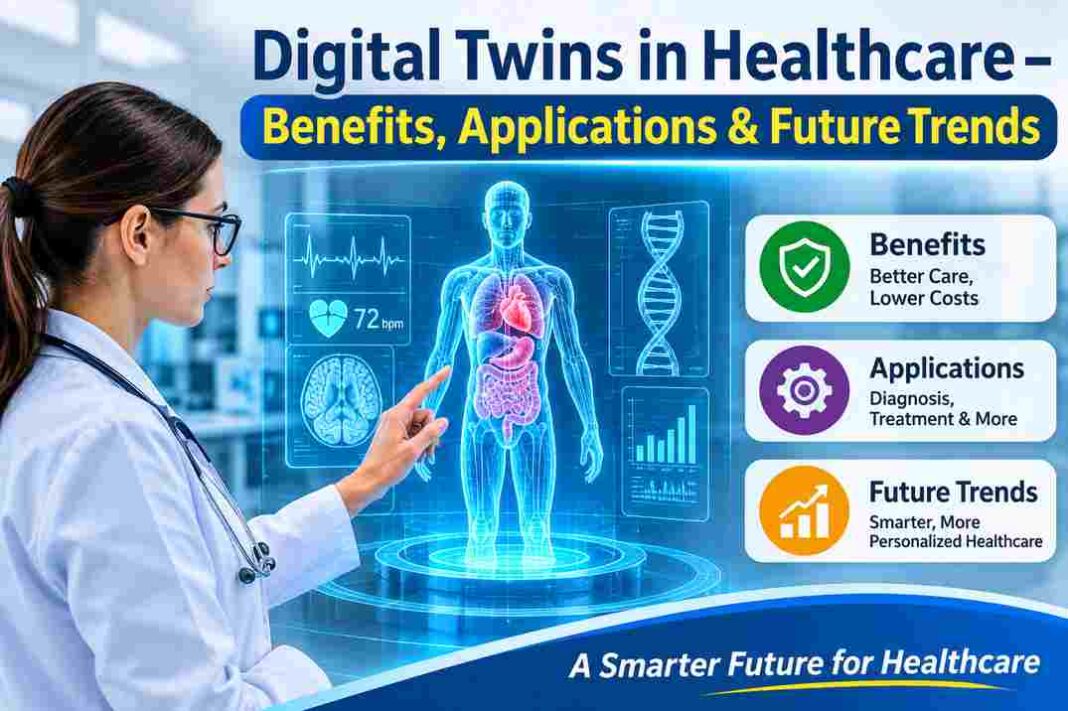
Digital Twins In Healthcare technology—an exact, data‑driven virtual replica of a physical entity—has emerged as a transformative force in modern medicine. By integrating real‑time physiological data, advanced analytics, and artificial intelligence, digital twins enable clinicians to simulate, predict, and optimize patient care with unprecedented precision. This article provides a comprehensive, professional overview of the technology, its current applications, and the strategic opportunities it presents for healthcare organizations.
1. Defining Digital Twins in Healthcare
A digital twin is a dynamic, virtual model that mirrors a patient’s anatomy, physiology, or a medical device. It is continuously updated with sensor data, imaging, genomics, and clinical records, allowing for:
- Real‑time monitoring of vital signs and disease progression.
- Predictive analytics that forecast complications before they manifest.
- Simulation of therapeutic interventions to evaluate efficacy and safety virtually.
2. Core Benefits for Clinical Practice
| Benefit | Clinical Impact | Example |
|---|---|---|
| Personalized Medicine | Tailors drug dosing and treatment plans to individual biology. | Simulating a patient’s response to a new oncology regimen to identify the optimal dose. |
| Surgical Precision | Reduces operative risk through virtual rehearsal. | Pre‑operative planning for a complex aneurysm repair using a patient‑specific vascular model. |
| Early Detection | Flags subtle physiological changes that precede symptoms. | Continuous glucose monitoring twin that alerts clinicians to impending hypoglycemia. |
| Research Acceleration | Enables virtual trials, cutting development time and cost. | In silico testing of a novel cardiovascular drug across diverse patient archetypes. |
| Patient Engagement | Provides visual, interactive models that enhance understanding. | A patient’s cardiac twin that illustrates the impact of lifestyle changes on heart function. |
| Chronic‑Disease Management | Simulates disease trajectories to inform proactive care. | Diabetes twin that predicts microvascular complications based on current glycemic trends. |
| Predictive Analytics | Anticipates adverse events, enabling pre‑emptive interventions. | AI‑driven twin that forecasts readmission risk after heart failure discharge. |
3. Current Applications in Healthcare
- Precision Oncology – Virtual tumor models predict response to chemotherapy, immunotherapy, and targeted agents.
- Cardiovascular Surgery – 3‑D anatomical twins guide valve replacement and bypass grafting.
- Neurosurgery – Brain‑tumor twins allow surgeons to map critical pathways and plan resections.
- Critical Care – ICU twins integrate hemodynamic data to optimize ventilator settings and fluid management.
- Pharmaceutical Development – In silico trials reduce the need for early‑phase human studies.
- Remote Monitoring – Wearable‑sensor twins support telehealth and chronic‑disease management.
4. Strategic Opportunities for Healthcare Organizations
| Opportunity | Implementation Considerations | ROI Potential |
|---|---|---|
| Value‑Based Care Models | Align twin‑driven outcomes with reimbursement metrics. | Reduced readmissions, lower complication rates. |
| Operational Efficiency | Use twins to simulate workflow changes and resource allocation. | Optimized staffing, reduced operating room downtime. |
| Clinical Decision Support | Integrate twin insights into EHR dashboards. | Faster, evidence‑based decision making. |
| Patient‑Centric Care | Offer twin visualizations as part of shared decision‑making. | Higher patient satisfaction, improved adherence. |
| Research Partnerships | Collaborate with pharma to co‑develop virtual trials. | Shared development costs, accelerated drug approvals. |
5. Future Trends and Emerging Challenges
| Trend | Implication | Challenge |
|---|---|---|
| AI‑Enhanced Predictive Models | More accurate risk stratification and treatment optimization. | Data quality and algorithm transparency. |
| Interoperability Standards | Seamless data exchange across devices and EHRs. | Adoption of HL7 FHIR and ISO 23941. |
| Regulatory Evolution | Clear guidelines for digital twin validation and approval. | Harmonizing global regulatory frameworks. |
| Scalable Cloud Platforms | Democratizing access to twin technology for smaller practices. | Ensuring data security and compliance. |
| Patient‑Generated Data | Enriching twins with lifestyle and behavioral inputs. | Managing data volume and privacy concerns. |
6. Conclusion
Digital twins represent a paradigm shift from reactive to proactive, from generic to highly individualized care. By harnessing continuous data streams, advanced analytics, and AI, healthcare providers can simulate interventions, predict outcomes, and deliver precision medicine at scale. While regulatory, interoperability, and data‑security challenges remain, the strategic benefits—improved patient outcomes, cost savings, and accelerated innovation—make digital twins an essential component of the next generation of healthcare delivery.
FAQ – Common Questions About Digital Twins in Healthcare
Q1: What exactly is a digital twin in healthcare?
A digital twin is a virtual replica of a patient’s anatomy, physiology, or a medical device that is continuously updated with real‑time data, enabling simulation, prediction, and monitoring without invasive procedures.
Q2: How can digital twins improve surgical outcomes?
By creating a patient‑specific 3‑D model, surgeons can rehearse procedures, test different approaches, and identify potential complications before entering the operating room, leading to shorter surgeries and fewer errors.
Q3: Are digital twins safe and secure?
Yes. Digital twins rely on encrypted data streams and comply with HIPAA and GDPR regulations. Data is stored in secure cloud environments, and access is strictly controlled.
Q4: Can digital twins replace clinical trials?
They can’t fully replace them yet, but they can reduce the number of required trials by allowing virtual testing of drug candidates, thereby speeding up the development pipeline and cutting costs.
Q5: What future trends should clinicians watch for?
Integration with AI for predictive analytics, expansion into chronic‑disease management, and the use of digital twins for remote patient monitoring are among the most promising developments.