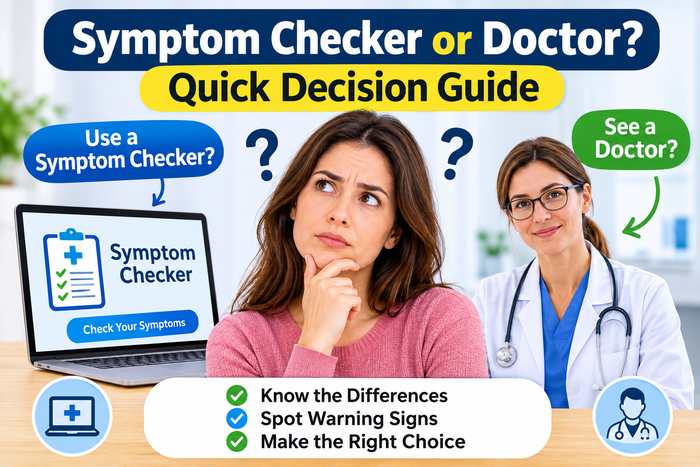
Why Symptom Checkers Are Growing in Popularity
The rise of mobile health apps has made a symptom checker a first‑stop resource for millions. By asking a series of guided questions, these tools generate a preliminary diagnosis, urgency level, and suggested next steps. They promise convenience, cost‑saving, and a sense of control for patients who might otherwise wait days for an appointment.
Key terms that help this topic rank:
- symptom checker accuracy
- online symptom checker
- self‑diagnosis app
- triage tool
- patient anxiety
What the Research Says About Accuracy
A 2016 JAMA Internal Medicine study compared physician and app performance, finding doctors correct 72 % of the time versus 36 % for the apps. While the study highlighted a gap, it also underscored that symptom checkers are not designed to replace clinicians but to augment decision‑making.
Recent qualitative work with German general practitioners shows that doctors view symptom checkers as a potential workload reducer if the app can reliably filter out non‑urgent cases. However, concerns remain about increased patient anxiety and the risk of over‑triage.
Important keywords to weave in:
- diagnostic accuracy
- cognitive bias
- triage accuracy
- healthcare workflow
When a Symptom Checker Is a Good First Step
- Minor, Common Symptoms – A runny nose, mild headache, or a low‑grade fever can be safely assessed by an app.
- Time‑Sensitive but Low‑Risk Conditions – If the app flags “non‑urgent,” it can save a visit that would otherwise be unnecessary.
- Pre‑Consultation Preparation – Patients can use the app to gather symptom details, making the subsequent doctor visit more focused.
Keywords:
- self‑triage
- pre‑consultation
- low‑risk symptoms
When a Doctor Visit Is Unavoidable
- High‑Risk or Red‑Flag Symptoms – Chest pain, severe abdominal pain, sudden vision loss, or any symptom that could indicate a serious condition.
- Uncertain or Conflicting App Results – If the app’s diagnosis is vague or contradicts the patient’s own assessment, a professional evaluation is warranted.
- Complex Medical History – Patients with chronic illnesses or multiple medications need a clinician’s holistic view.
Keywords:
- red‑flag symptoms
- high‑risk conditions
- clinical evaluation
Balancing Patient Empowerment and Professional Oversight
The ideal model blends the accessibility of a symptom checker with the expertise of a clinician. Apps can serve as a first filter, but the final decision should rest with a qualified provider. This hybrid approach reduces unnecessary visits while ensuring that serious conditions are not missed.
Keywords:
- patient empowerment
- clinical oversight
- hybrid care model
Practical Tips for Using Symptom Checkers Wisely
- Check the App’s Credibility – Look for evidence‑based algorithms and transparent data sources.
- Use Multiple Sources – Cross‑reference the app’s output with reputable medical websites or a quick call to a nurse line.
- Document Your Findings – Keep a record of the app’s suggested diagnosis and urgency; bring it to your doctor if you decide to see one.
Keywords:
- evidence‑based app
- medical website
- nurse line
Future Directions: AI, Integration, and Regulation
Emerging AI models promise higher diagnostic accuracy, but they must be integrated into electronic health records to support clinicians, not replace them. Regulatory bodies are beginning to set standards for symptom‑checker algorithms, focusing on transparency, bias mitigation, and patient safety.
Keywords:
- AI diagnostic tools
- EHR integration
- regulatory standards
Takeaway
A symptom checker can be a valuable first step for common, low‑risk symptoms, but it should never replace a professional evaluation when red‑flag signs appear. By understanding the strengths and limits of these apps, patients can make informed choices and clinicians can streamline care without compromising safety.