
Well Health Tips in Hindi Wellhealthorganic: Healthy Habits
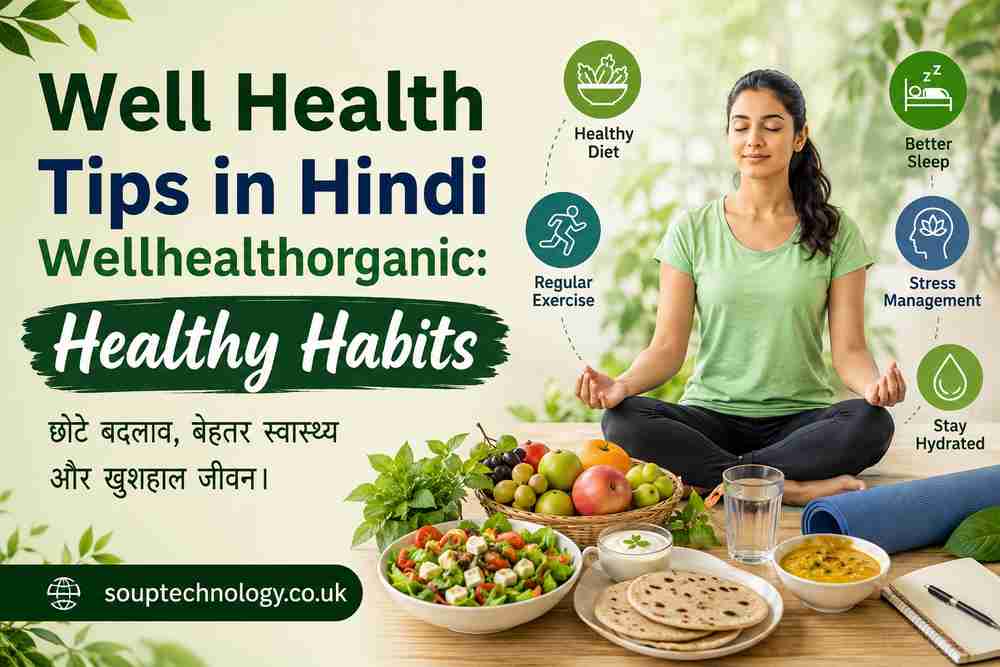
Looking for practical well health tips in Hindi wellhealthorganic? The best approach is not to follow complicated health trends, but to build simple habits around nutritious food, regular movement, good sleep, hydration, stress management, and preventive healthcare. These habits can fit easily into an Indian lifestyle and support long-term physical and mental well-being.
Start With a Balanced Indian Diet
A healthy diet should provide enough nutrients without relying heavily on highly processed foods. The World Health Organization recommends a varied diet containing vegetables, fruits, pulses, whole grains, nuts, and other nutritious foods while limiting excess salt, free sugars, and unhealthy fats.
Make Everyday Meals More Nutritious
Indian meals can already provide excellent nutrition when portions and ingredients are balanced. For example, a simple lunch might include dal, roti made from whole grains, seasonal vegetables, curd, and a portion of salad.
Instead of completely eliminating carbohydrates, focus on better sources such as whole-wheat roti, oats, brown rice, millets, or other minimally processed grains. Include protein from dal, beans, chickpeas, paneer, eggs, fish, or other suitable foods according to personal preferences.
For reliable dietary guidance, readers can also consult the WHO healthy diet recommendations.
Stay Physically Active Every Day
Exercise does not have to mean spending hours in a gym. Brisk walking, cycling, dancing, household activities, yoga, or sports can all contribute to physical activity.
For adults, WHO recommends at least 150 minutes of moderate-intensity physical activity each week, with muscle-strengthening activities on two or more days.
A Simple Routine to Try
If you have a desk job, take short movement breaks during the day. A 20–30 minute brisk walk in the evening can be a realistic starting point. Someone who is already active can gradually add strength exercises, such as squats, resistance-band exercises, or bodyweight movements.
The goal is consistency rather than an extreme workout routine.
Give Sleep and Mental Health Equal Importance
Healthy living is not only about food and exercise. Poor sleep and continuous stress can affect concentration, mood, energy, and daily functioning.
Try keeping a consistent sleep schedule and reducing unnecessary screen use before bedtime. Relaxation techniques, breathing exercises, hobbies, time outdoors, and meaningful conversations can also support emotional well-being.
If persistent anxiety, low mood, severe sleep problems, or other symptoms interfere with daily life, speaking with a qualified healthcare professional is more appropriate than relying only on online wellness advice.
Stay Hydrated and Limit Unhelpful Habits
Water should be the main drink for most everyday situations. Your fluid needs can vary with weather, activity level, diet, age, and health conditions, so there is no single amount that suits everyone.
It is also sensible to limit sugary drinks and frequent consumption of highly processed snacks. WHO notes that diets high in free sugars, unhealthy fats, and sodium can negatively affect health.
Avoid tobacco, and do not treat supplements, detox drinks, or herbal products as automatic substitutes for a balanced diet or medical treatment.
Build Health Habits That Last
The most useful wellness advice is advice you can maintain. Instead of changing everything at once, choose two or three realistic habits.
For example, you could begin with a daily walk, add one serving of vegetables to lunch or dinner, and establish a regular bedtime. Once these habits become routine, introduce another small improvement.
People with diabetes, high blood pressure, kidney disease, pregnancy, or other medical conditions may have different nutritional and activity requirements. Personal medical advice should take priority over general health tips.
FAQs
What are the most important daily health habits?
A balanced diet, regular physical activity, adequate sleep, hydration, stress management, and avoiding tobacco are among the most useful foundations of a healthy lifestyle.
Is walking enough for good health?
Walking is an excellent form of physical activity. Brisk walking can contribute toward weekly activity targets, while adding strength exercises can provide additional benefits.
Should I completely stop eating rice or roti?
Not necessarily. Healthy eating is about overall dietary quality, portions, variety, and individual needs. Whole grains and minimally processed carbohydrate sources can be part of a balanced diet.
Are health supplements necessary for everyone?
No. Supplements are not automatically required by every healthy person. Their usefulness depends on diet, nutritional status, age, medical conditions, and professional advice.
Conclusion
The most practical well health tips in Hindi wellhealthorganic are simple habits that work in real life: eat a varied diet, move regularly, sleep well, stay hydrated, manage stress, and seek professional care when needed. Sustainable daily choices are generally more valuable than short-term health trends or extreme routines.